
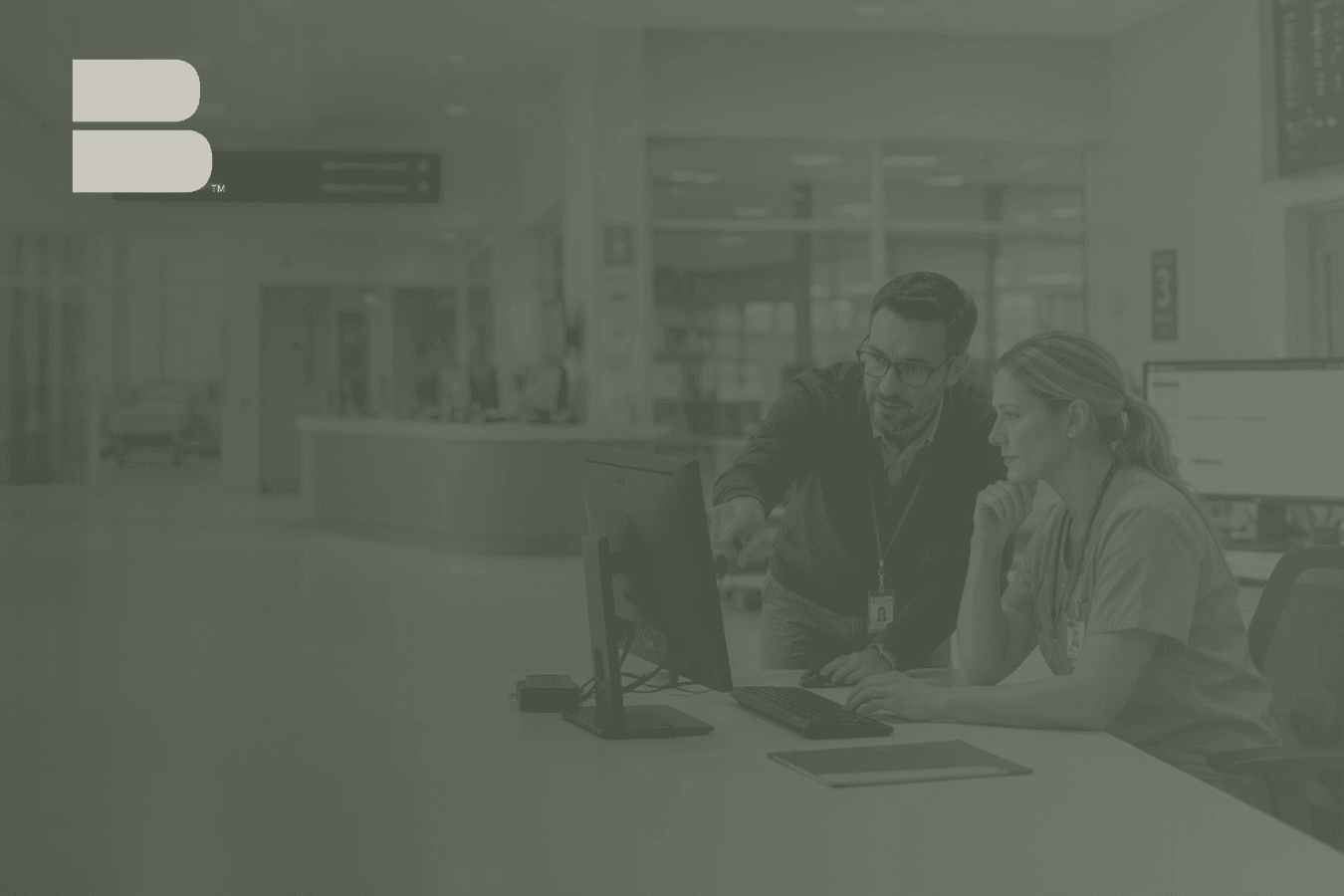
Supporting HCIT Teams Through EHR Migrations
Healthcare organizations rarely undertake an EHR migration because they want to. They do it because they have to.
Whether driven by M&A, consolidations, regulatory requirements, operational challenges, or the need for a more integrated patient experience, EHR migrations eventually become a reality for many healthcare IT teams.
The technology itself is complex. But the greatest challenge often isn't the software…it's the people.
The Hidden Strain on Internal IT Teams
Long before go-live, many healthcare IT teams are already operating at capacity.
They're supporting clinicians, troubleshooting issues, managing upgrades, maintaining compliance requirements, and responding to whatever unexpected challenge lands on their desk that day. Adding an EHR migration to that workload doesn't pause those responsibilities, it simply adds another layer to them.
When key team members become stretched too thin, timelines slip, priorities compete for attention, and burnout becomes a real concern. Supporting the migration means supporting the people responsible for delivering it.
Why Staffing Becomes a Critical Success Factor
Not only may internal teams lack the time to take on a migration alongside their other responsibilities, but they may also not have all of the skill sets needed to execute it successfully.
EHR initiatives often require experienced analysts, builders, trainers, integration specialists, project managers, and go-live support resources. While some organizations have those skills in-house, many find themselves relying on a small group of key individuals who are suddenly expected to take on significantly more work. Hiring full-time resources for each of these roles can be costly, especially when the need is tied to a specific project timeline and may not justify long-term salaries, benefits, onboarding, and training costs once the initiative is complete.
Bringing in experienced resources can help distribute that workload by providing day to day and legacy application support, fill knowledge gaps, and provide the flexibility to scale support as needed without adding long-term overhead.
Beyond Go-Live
There's a tendency to view go-live as the finish line. In reality, it's often where some of the hardest work begins.
The first few weeks after launch are when users start encountering real-world workflow challenges, support requests increase, and teams work through issues that couldn't be fully replicated during testing.
Organizations that plan for this phase tend to recover faster and see stronger adoption. Having experienced resources available after go-live allows internal teams to focus on stabilization, optimization, and user support instead of constantly operating in reactive mode.
Building a Stronger Path Forward
Every EHR migration is different, but one lesson tends to remain consistent: technology alone doesn't determine the outcome.
Healthcare organizations that invest in experienced resources for both legacy application support and the new EHR, protect their internal teams, and plan beyond implementation are better positioned to achieve their migration goals and create the smoothest experience for both their teams and end users.
Technology may be the foundation of an EHR migration, but people are what ultimately make it successful. If your organization is preparing for an upcoming EHR migration, we'd welcome the opportunity to discuss how our consultants can help support your team and keep your project moving forward.